

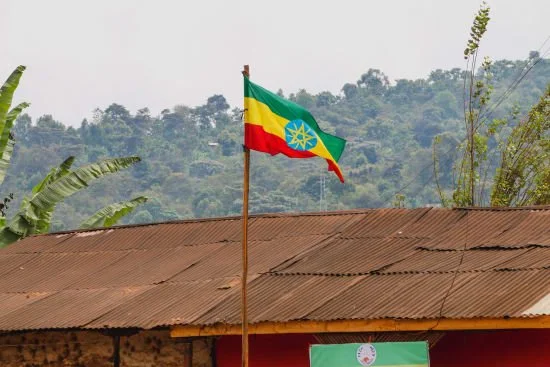
 Image 1 of 8
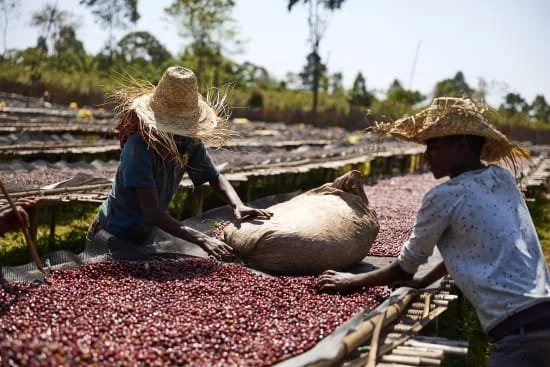 Image 2 of 8
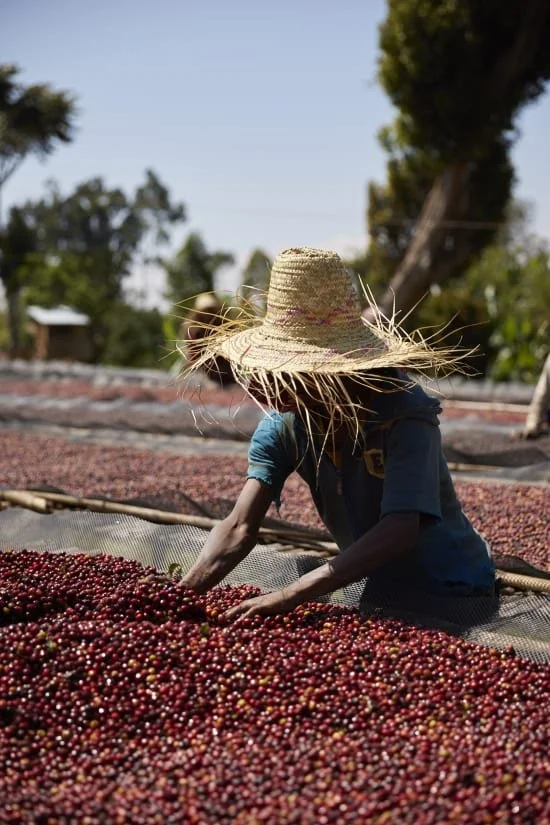 Image 3 of 8
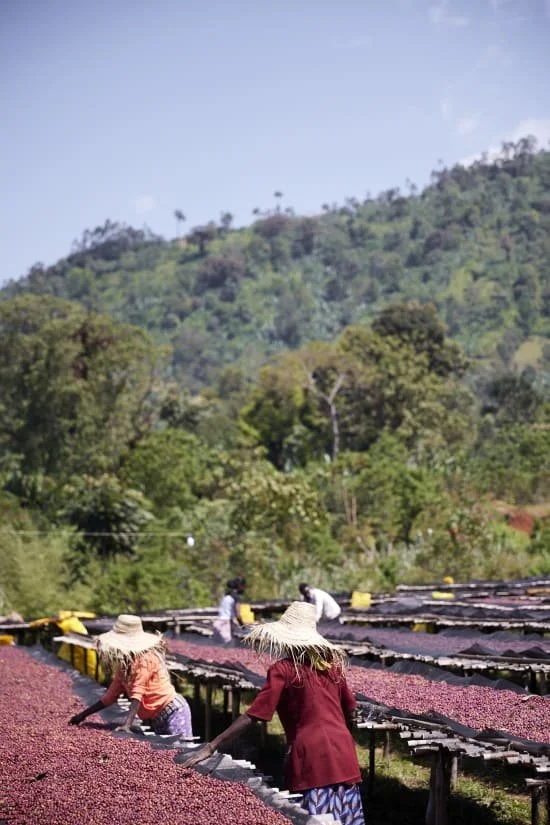 Image 4 of 8
 Image 5 of 8
 Image 6 of 8
 Image 7 of 8
 Image 8 of 8
ARGCAFEE (Association de Transformadores y Comercializadores de Cafe Especiales de Argelia Cauca) is an association that started in 2014 with only 17 member producers, all of whom were committed to finding a better market for their coffee than the commercial one they were delivering to—both in search of higher prices and a better showcase for the quality of their coffee. As Argelia is relatively remote, it had been hard for the small farmers in the area to reach the marketplace and have leverage in their selling. Through their work, however, the association grew to over 230 members, about 150 of whom are presently active in farming and delivering lots to the association.
The community’s history has been eclipsed by armed conflict and illicit crop production, but ARGCAFEE is reshaping this narrative through the commerce of coffee. Collectively, they are implementing sustainable production techniques through training, commercializing member coffees and fostering buyer connections, drawing youth into the industry through education at ITARG (El Instituto Tecnico Argcafee), and creating sustainable and legal pathways to prosperity through their Women Producer and Coca Substitution programs.
This lot was developed with the women producers of ARGCAFEE. 78 women contribute to this program, with another 44 communicating intentions to join. The Women Producer program is designed to identify and incentivize the many women within the coffee industry. Along with this, this coffee is also part of the Coca Substitution Program.
The Coca Substitution program is a partnership between Café Imports, Banexport, and ARGCAFEE created to promote the cultivation of legal crops such as coffee in place of illicit crops like coca. The partnership operates a nursery in Argelia, Cauca, that cultivates high-yielding and coffee leaf rust-resistant varieties while providing agronomical training and assistance to members of ARGCAFEE. The substitution program also provides support by offering a guarantee of purchase by Café Imports and Banexport at higher-than-average prices. With these premiums, farmers are encouraged to shift towards the cultivation of legal crops that offer a sustainable source of income and to decrease the community’s dependence on the narco-state in Colombia.
The program aims to address the underlying factors contributing to the cultivation of illicit crops, such as poverty, lack of education, and access to markets. By providing farmers with the necessary tools and knowledge, the program offers an alternative means of livelihood, thereby reducing the reliance on illicit crops.
Through the cultivation of specialty coffee, farmers can access formal markets and earn a higher income, improving their living standards. Additionally, the program promotes environmental sustainability by encouraging the use of sustainable agricultural practices and reducing the negative impacts associated with the cultivation of illicit crops.
Overall, the program offers a comprehensive approach to addressing the issue of illicit crop cultivation by addressing the underlying socio-economic factors and promoting sustainable alternatives.
ARGCAFEE partnered up with Banexport in 2017, and the group now has a warehouse and a cupping lab; the lab is staffed full-time by five professionals, all of whom are young members of multigenerational coffee families who have decided to stay in the family business—a huge concern these days, as the average age of a coffee farmer is over 55. It is difficult to incentivize young people to stay in coffee production during such low prices.
The organization is democratically run, with a director, a legal representative, a producer representative, an accountant, a secretary, and technical staff, all elected in a voting process conducted by the members.